Our family by the sea

About us
a family run bistro, coffee shop
and Guest Rooms on Swansea Beach

A garden with vegetables, herbs and flowers growing together
Family run

Our family, your table

A family welcome by the sea on Swansea Beach.

Our family by the bay

A family run bistro, coffee shop and guest rooms, right across the road from Swansea beach.

Seasonal dishes on the menu
On the menu

Fresh from the kitchen

From stone baked pizza to plant based comfort food, discover what’s new on our menu and what’s coming out of the oven today.

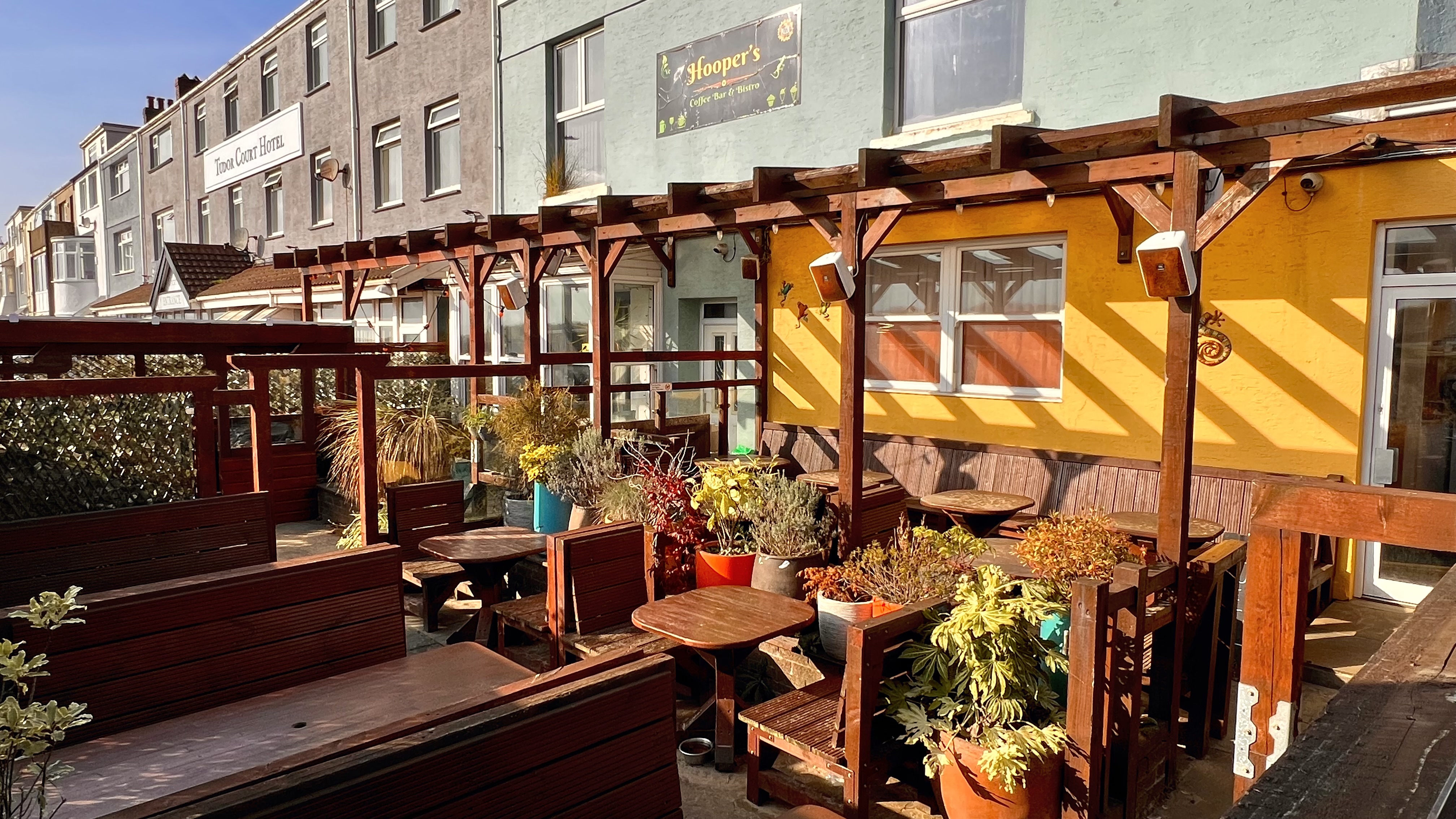
The sunny patio terrace at Hooper's
On the terrace

Terrace tales & golden hours

See how our sunny patio comes alive with gatherings, laughter and Swansea Beach sunsets, all season long.

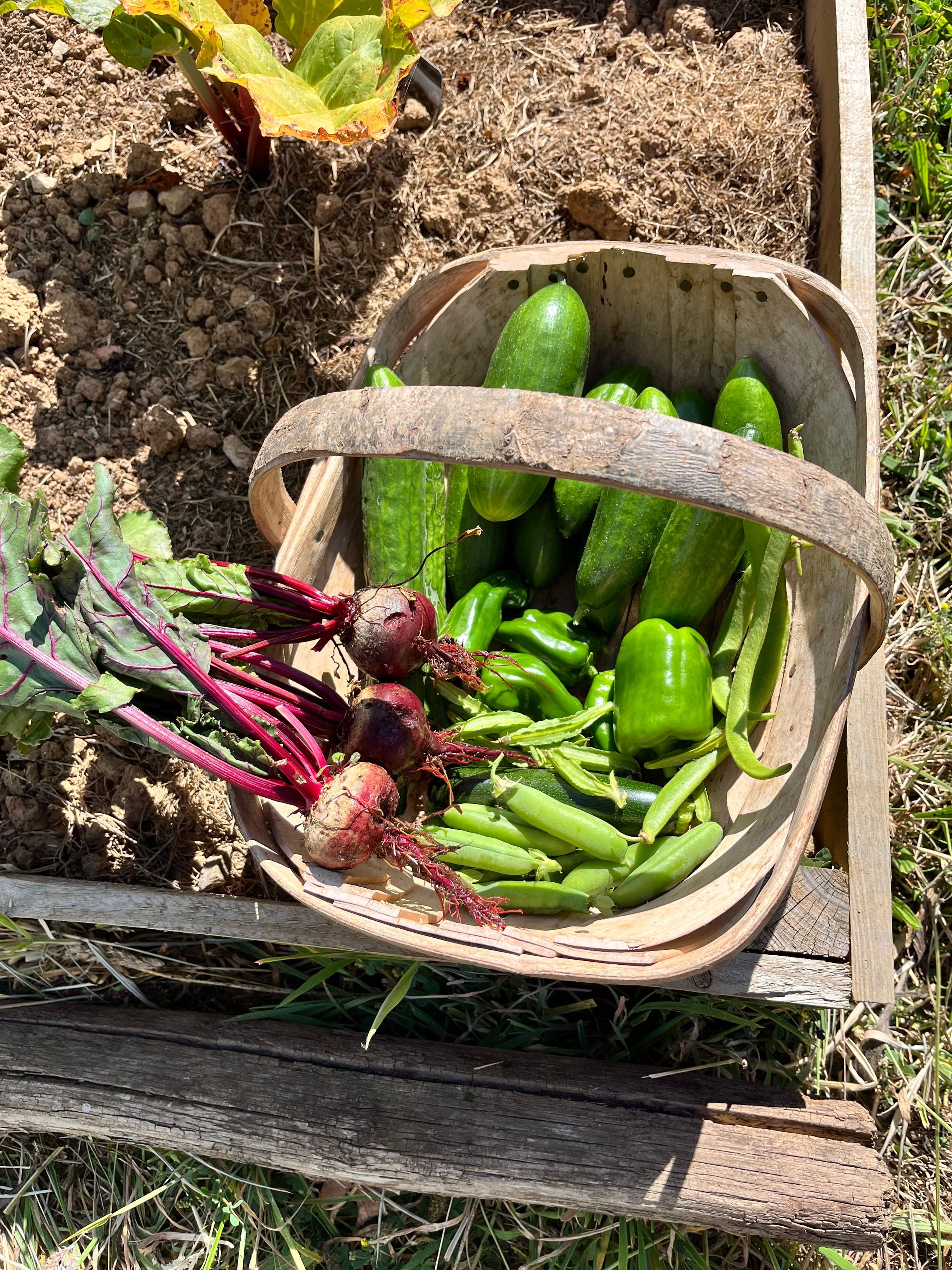
Freshly harvested vegetables from the garden
Our produce

Grown, picked and cooked here

Find out where our ingredients come from, what we grow ourselves, and why fresh, local produce sits at the heart of every dish.

See all the produce
Room 2, a sea view room at Sandy Beach Guest Rooms, Hooper's
Guest rooms

Guest room highlights

Peek inside our restful rooms, meet our guests, and find inspiration for your next coastal escape.

See our rooms
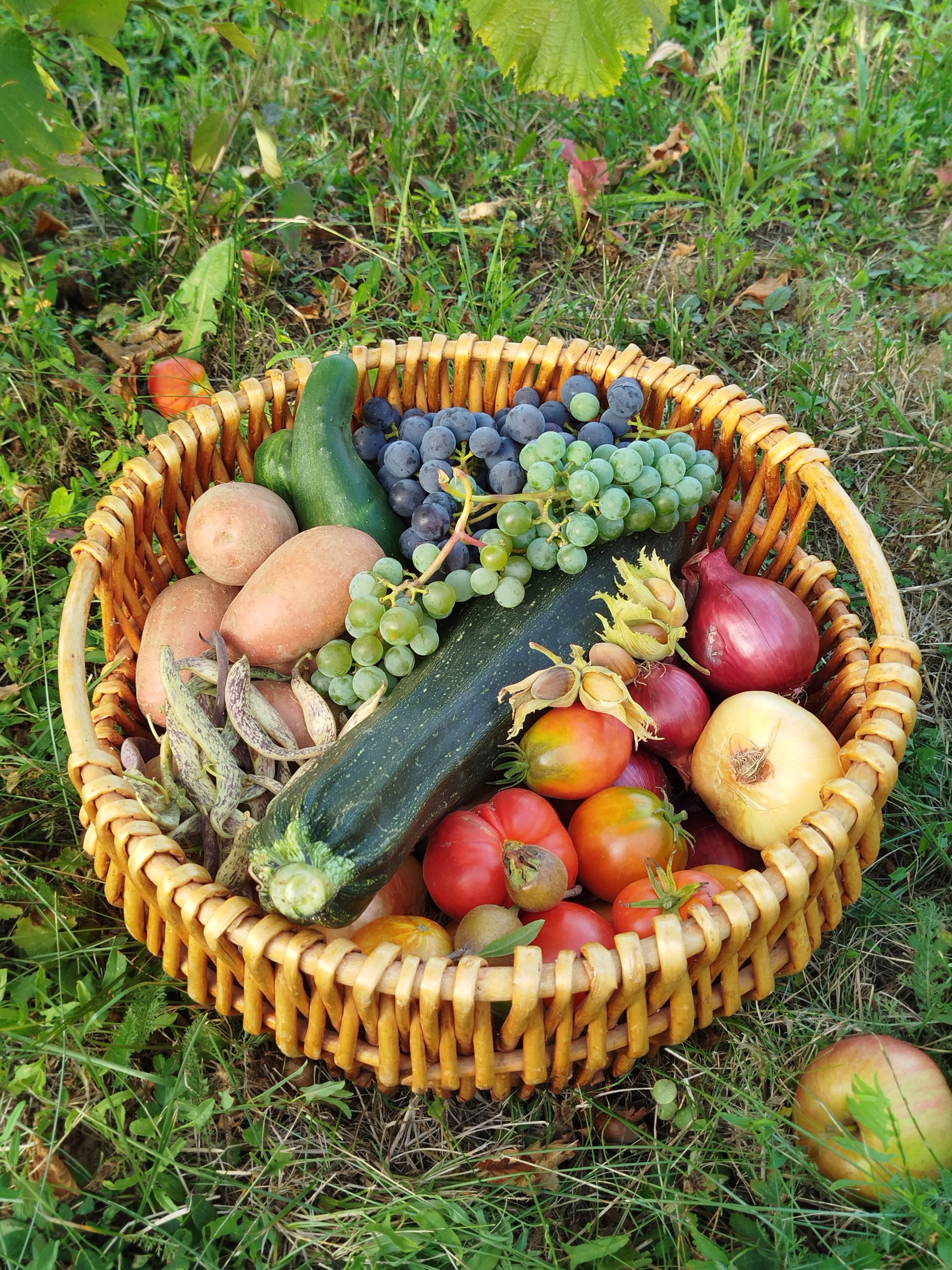
A basket of freshly harvested vegetables and fruit
Our philosophy

What we believe in

The ideas behind Hooper’s: how we cook, how we host, and how we look after our guests and the coast around us.

Read our philosophy

What we believe

How we used to eat: whole food, grown and cooked the way it was before mechanisation. The ideas that shape every dish we serve.
We will be introducing these foods throughout 2027 as they become seasonally available!

How We Used to Eat: real, whole, plant based food from ancient grains and perennial plants.

Ancient grains and perennial plants, from our garden to your plate.

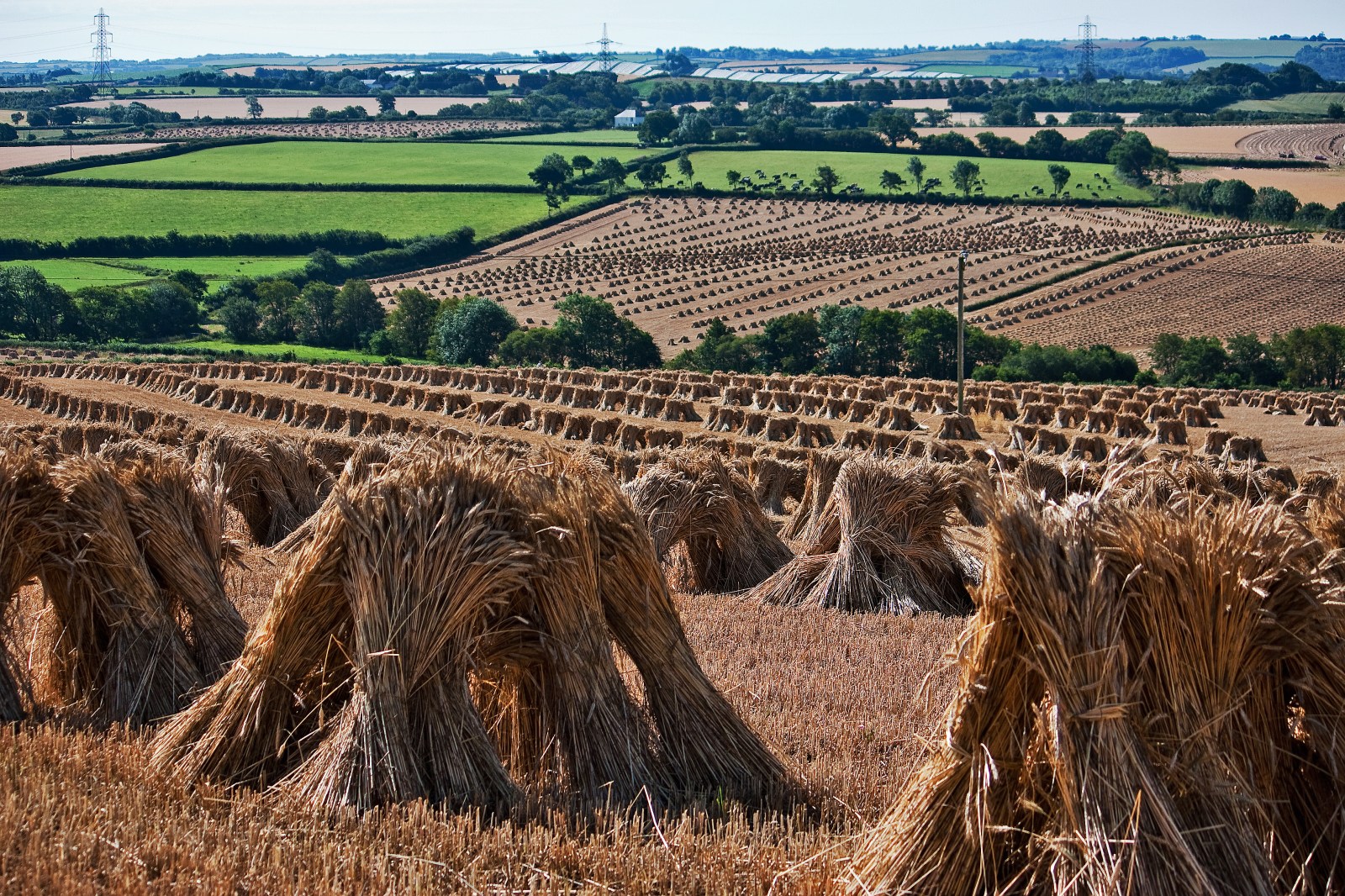
Sheaves of grain stacked in a harvest field
Close

Eat what the land has always grown

Perennial vegetables, ancient grains and whole foods have sustained communities for millennia. Good King Henry in the cottage garden, sea kale along the shore, einkorn in the fields: these were the foods people grew and gathered close to home, season after season.

Eat what the land has always grown

They are nutritionally rich, environmentally sustainable and deeply connected to the landscape around us. Plants that come back year after year need no plough and no replanting, and the old grains were never bred for yield. Eating them is a way of eating with the land rather than against it.

Eat what the land has always grown

We grow perennials and water plants in our own cottage garden, and bake with einkorn, the oldest cultivated wheat. From the earth to the plate, the way it always was.

Eat what the land has always grown

See the plants, grains and water plants we grow and cook with.

Eat what the land has always grown

Perennial vegetables, ancient grains and whole foods that have fed communities for millennia.

Freshly harvested vegetables from the garden
Close

Whole food

For thousands of years, food was grown with one purpose: to nourish. Before mechanisation changed everything, communities across the world cultivated perennial vegetables, ancient grains and whole foods that worked in harmony with the land and with the human body. Good King Henry grew in cottage gardens. Sea Kale was foraged along coastal shores. Einkorn wheat, unchanged for 12,000 years, was the grain that fed ancient civilisations from the Fertile Crescent to the Celtic shores of Britain.

Whole food

Then industrialisation arrived. The focus shifted from nourishment to yield, from nutrition to shelf life, from whole food to processed food. Ancient grains were replaced by hybridised, high yield varieties. Perennial vegetables were abandoned in favour of mass produced annuals. The diversity and depth of what we ate narrowed dramatically, and so did the quality of our nutrition.

Whole food

At Hooper’s, this philosophy shapes everything we do with food. The dishes on our menu, the ingredients we choose, the conversations we have with our guests. We believe that real food, whole, nutritious, plant based and grown with care, is not a trend. It is simply the way food was always meant to be.

Whole food

How We Used to Eat is about going back. Not to recreate the past, but to rediscover what we lost: the plants, the grains, the methods and the wisdom that put nutrition first. It is a food philosophy rooted in the belief that the food we ate before industrialisation was fundamentally more nourishing than what the modern food system offers us today.

Whole food

Food as it comes from the field and the garden, cooked by hand.

A basket of freshly harvested vegetables and fruit
Close

Nutrition before everything

Before mechanisation, food was grown to feed people well. Families chose what to plant by what would nourish them through the year, not by what would travel furthest or keep longest on a shelf.

Nutrition before everything

That principle should still come first: above profit, above convenience, above yield. As farming changed, the focus moved to yield and shelf life, and the variety of what we eat narrowed. Putting nourishment first means choosing whole, real ingredients and giving them the time they need.

Nutrition before everything

It shapes the dishes on our menu and the ingredients we choose: whole grains stone milled with nothing stripped out, perennials from our own garden, and food cooked to order rather than made for a long shelf life.

Nutrition before everything

See the plants, grains and water plants we grow and cook with.

Nutrition before everything

Food grown to feed people well, above profit, convenience and yield.

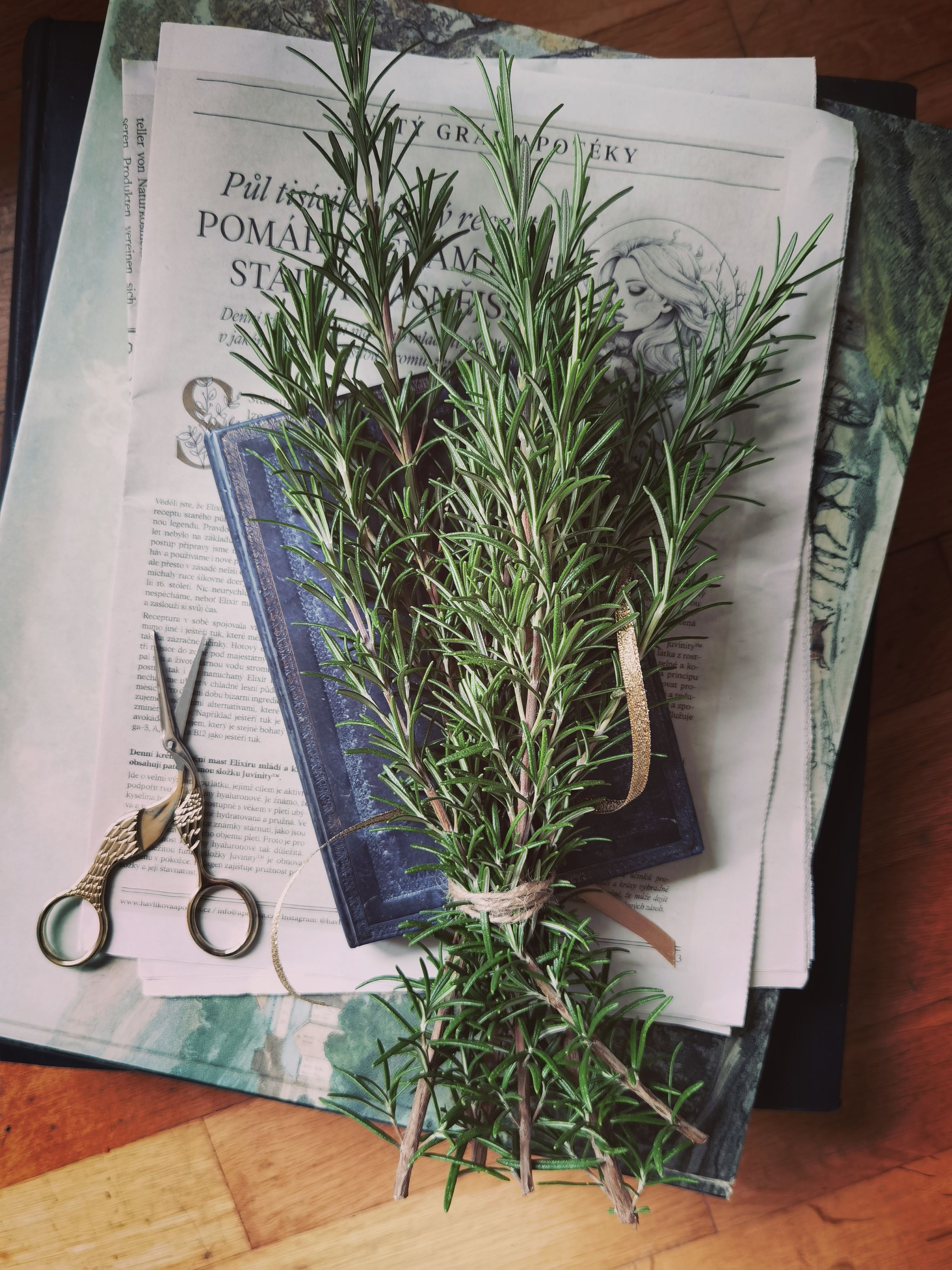
Rosemary laid on old books
Close

Ancient wisdom, modern understanding

We draw on thousands of years of food knowledge and combine it with modern understanding. People learned by hand which plants to grow, how to mill a grain and how long to let a dough rest, and passed that knowledge down from one generation to the next.

Ancient wisdom, modern understanding

Old methods like stone milling and slow fermentation were built on generations of experience, and are being rediscovered today. Stone milling keeps the whole grain together: the bran, the germ and the oils. A slow, overnight sourdough gives the flavour time to deepen in a way fast rising bread cannot.

Ancient wisdom, modern understanding

Our einkorn sourdough is stone milled, leavened with a live sourdough culture and given a long, slow overnight fermentation, the way bread used to be made. Grain, water, salt and time: real bread needs just four ingredients, where a typical supermarket loaf can contain fifteen or more. Please note einkorn sourdough is not suitable for people with coeliac disease.

Ancient wisdom, modern understanding

See the plants, grains and water plants we grow and cook with.

Ancient wisdom, modern understanding

Thousands of years of food knowledge, alongside what we know today.

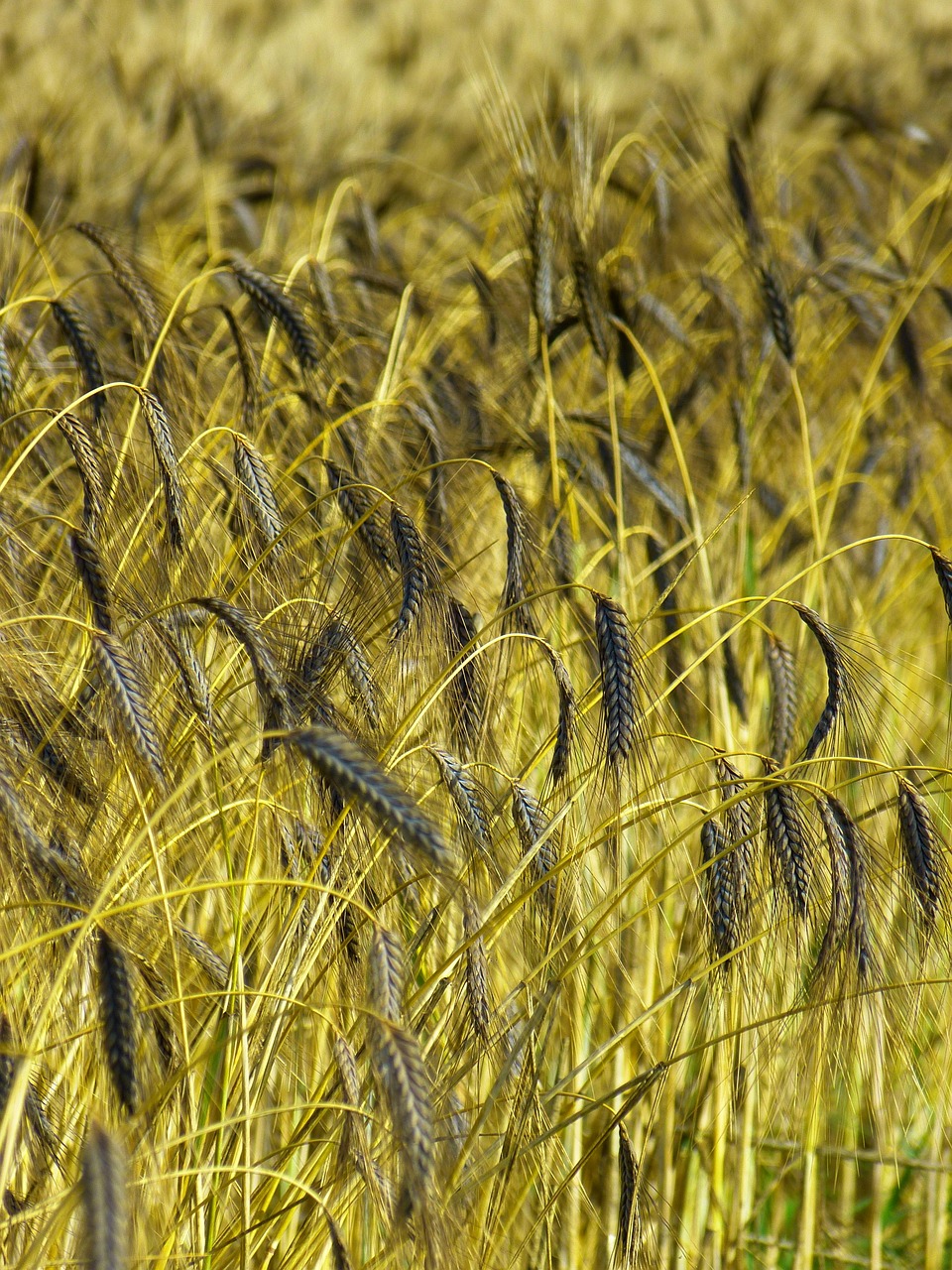
Emmer wheat growing in the field
Close

Ancient grains

Einkorn and emmer were among the first grains people ever farmed, thousands of years before modern wheat. Einkorn has never been hybridised or bred for yield, and emmer was the grain that fed Rome.

Ancient grains

These old grains have a deeper, nuttier flavour and a long story. Growing and cooking with them keeps that story alive. Einkorn bakes to a golden colour with a rich, buttery taste that comes entirely from the grain itself.

Ancient grains

Einkorn goes into our stone milled sourdough, and our orzo bowls are built on orzo made from emmer, with its nutty, earthy flavour. Enjoy them at the bistro, or take a bowl for a walk along the bay.

Ancient grains

See our produce for each grain, how it grows and its history.

Ancient grains

The first wheats people ever farmed, grown and milled the old way.

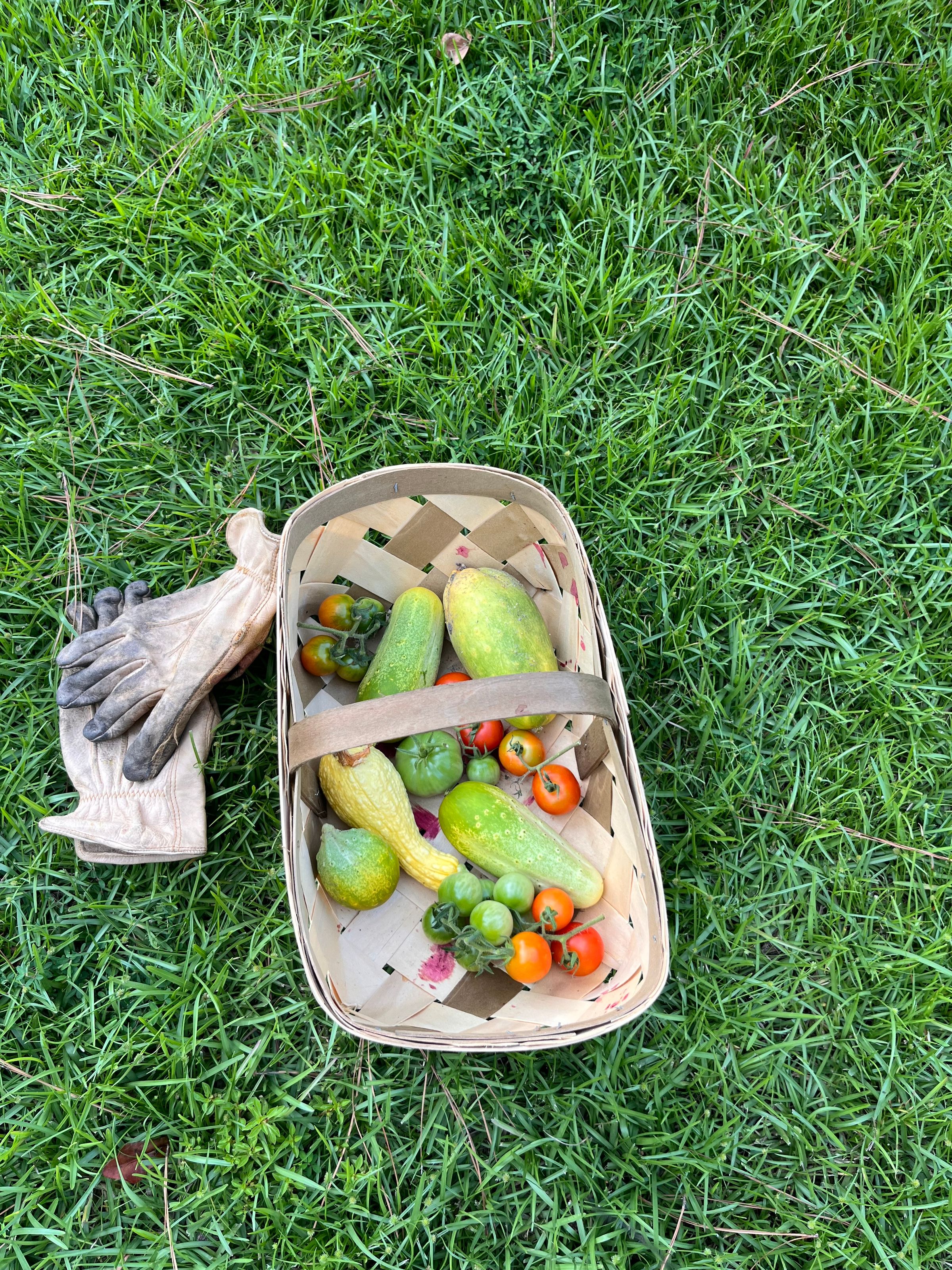
A fresh garden harvest in a basket
Close

Plant based at the root

The great perennial vegetables, ancient grains, coastal plants and climbing greens that sustained our ancestors were overwhelmingly plant based. From sea kale and skirret to watercress and einkorn, the foods that fed families for generations came from the garden, the field and the stream.

Plant based at the root

We believe this is not a coincidence. For most of history, the everyday table was built around plants that grew close to home and came back year after year.

Plant based at the root

Our food is defined by what it is: nutritious, whole and plant based. Stone baked pizza, tapas, soups, bread and dips, all made here from real ingredients.

Plant based at the root

See the plants, grains and water plants we grow and cook with.

Plant based at the root

The foods that sustained our ancestors were overwhelmingly plant based.

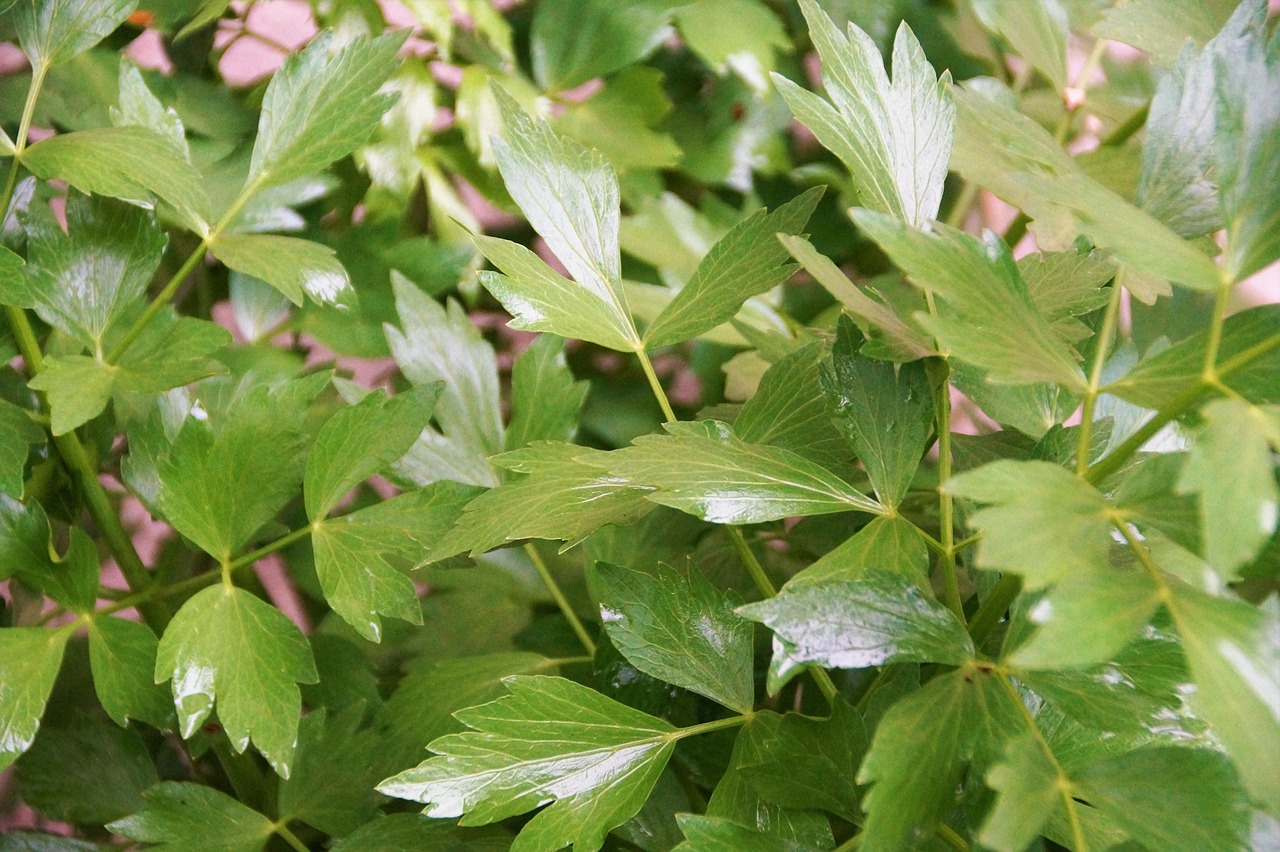
Lovage, a perennial herb, in leaf
Close

Perennial plants

Long before supermarkets and year round imports, the cottage garden was the family larder. Tucked behind the house, it was planted not for show but for the table, and at its heart were perennials: hardy, dependable plants that returned faithfully every year, asking little and feeding much. A row of rhubarb, a clump of sea kale, sweet skirret roots and a tangle of climbing greens meant there was always something to gather. These were the plants a grandmother knew by heart, passed down and relied upon, the quiet backbone of how families fed themselves.

Perennial plants

Plant them once and they return season after season: hardy greens, sweet roots and bold herbs that ask little and give much, with no plough and no replanting. Less digging, more time for the soil to rest and build. A garden that keeps on giving.

Perennial plants

At Hooper’s we have our own cottage garden, where we grow a selection of these perennials again, bringing them from the earth to the plate, the way they always were. It is the practical heart of the How We Used to Eat philosophy: not just food chosen for the way it used to be grown, but food we grow ourselves and carry straight to the kitchen.

Perennial plants

See our produce for every perennial we grow.

Perennial plants

Plants that return every year and feed us season after season.

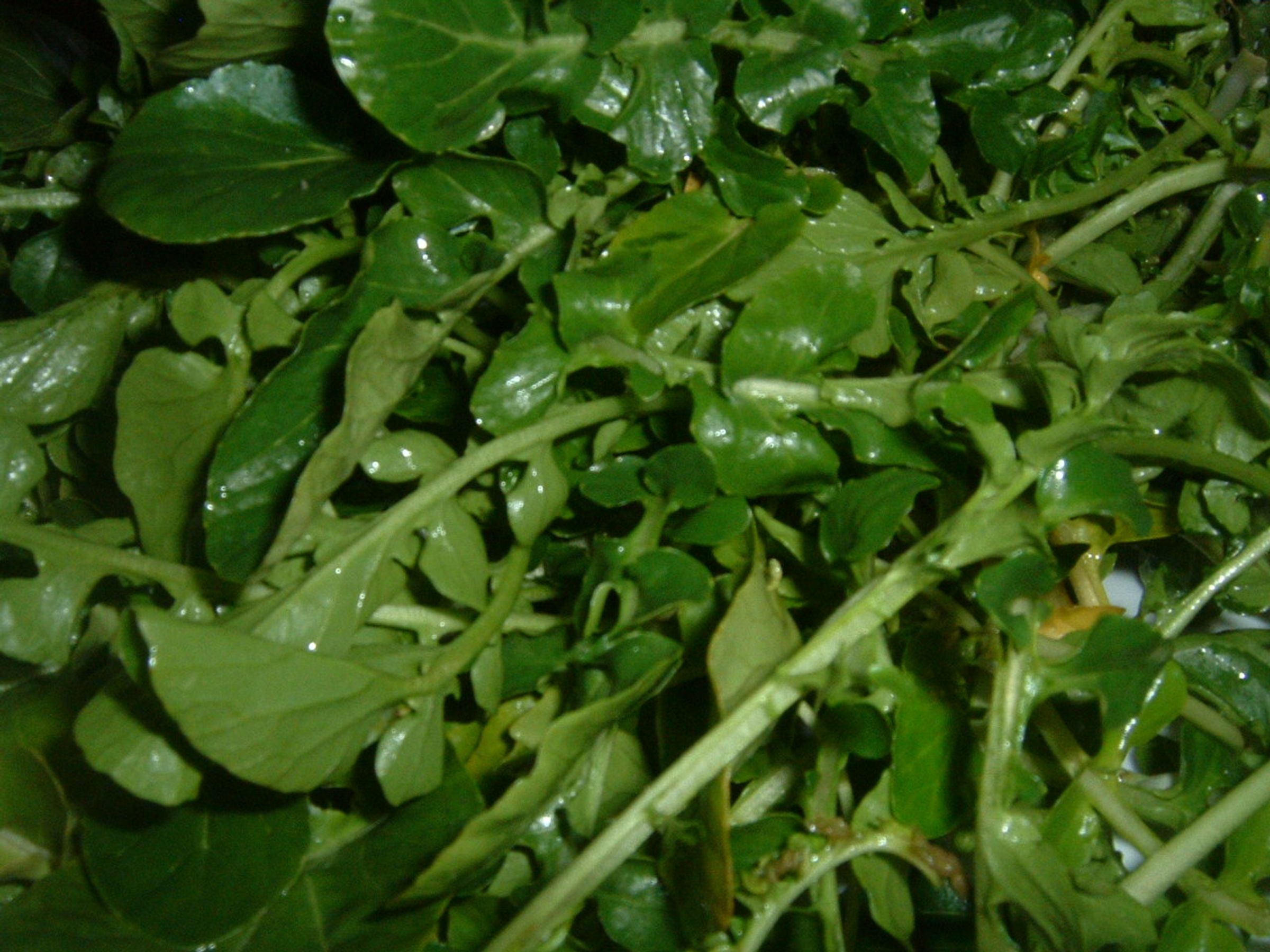
Watercress growing in clear running water
Close

Water plants

Some of the oldest foods grow in water. Watercress, brooklime and water mint were gathered from streams for centuries. Duckweed, one of the smallest flowering plants on earth, grows remarkably fast in nothing more than water and a few nutrients, and is naturally rich in plant protein. Water plants take up whatever is in their water, so only eat them when they are grown in clean, known water, never picked from ponds or streams of unknown quality.

Water plants

Fresh, peppery and green, they bring a flavour that is hard to find any other way. Grown in clean, controlled water rather than foraged from unknown ponds, they are among the most sustainable foods there are.

Water plants

A grandmother’s cottage garden was a garden of soil: beds of perennials, not ponds. But the same thrift and good sense that filled it also sent people to the water’s edge, gathering watercress from the streams and other forgotten greens from the wild. We’ve brought that strand into our own garden too. Alongside the perennial beds we grow a selection of hydrophytes, water plants like watercress and duckweed, in clean, controlled water: some of the most nutritious and sustainable foods there are, grown the way they ought to be rather than foraged from unknown ponds. It is the old cottage garden, carried a little further.

Water plants

See our produce for each water plant and how we grow it.

Water plants

Watercress, brooklime and water mint, grown in water as they always have been.

A plant laid on an old book
Close

Food as a story

Every plant has a history. Every grain carries a civilisation’s worth of knowledge. Good King Henry, sea kale and einkorn each have centuries of stories behind them, from cottage gardens to coastal shores.

Food as a story

Understanding where our food really comes from changes how we eat, and why. Too many children think apples come from the supermarket. Knowing how a plant grows, and who once relied on it, brings that connection back.

Food as a story

That’s why we share the story behind our plants and grains, on our website and at the table. Every plant in our Food and Drink showcase comes with its history, how it grows and how it was traditionally eaten.

Food as a story

See the plants, grains and water plants we grow and cook with.

Food as a story

Every plant has a history, and every grain carries a civilisation’s knowledge.

A cottage garden in bloom
Close

Our cottage garden

Long before supermarkets, the cottage garden was the family larder, and at its heart were perennials: hardy plants that returned every year, asking little and feeding much. At Hooper’s we have our own cottage garden, where we grow eleven of them again, from sea kale to skirret, bringing them from the earth to the plate the way they always were. Alongside the beds we grow water plants like watercress in clean, controlled water.

Our cottage garden

Perennials come back year after year without replanting. They ask little of the soil, need less digging and give a steady harvest, which is why every cottage garden once had them at its heart.

Our cottage garden

We grow a selection of them again in our own cottage garden: Sea Kale, Good King Henry, Skirret, Lovage, Rhubarb and more. They go from the earth to the plate the way they always did.

Our cottage garden

Meet each plant we grow in the Food & Drink showcase.

Our cottage garden

Long before supermarkets, the cottage garden was the family larder.

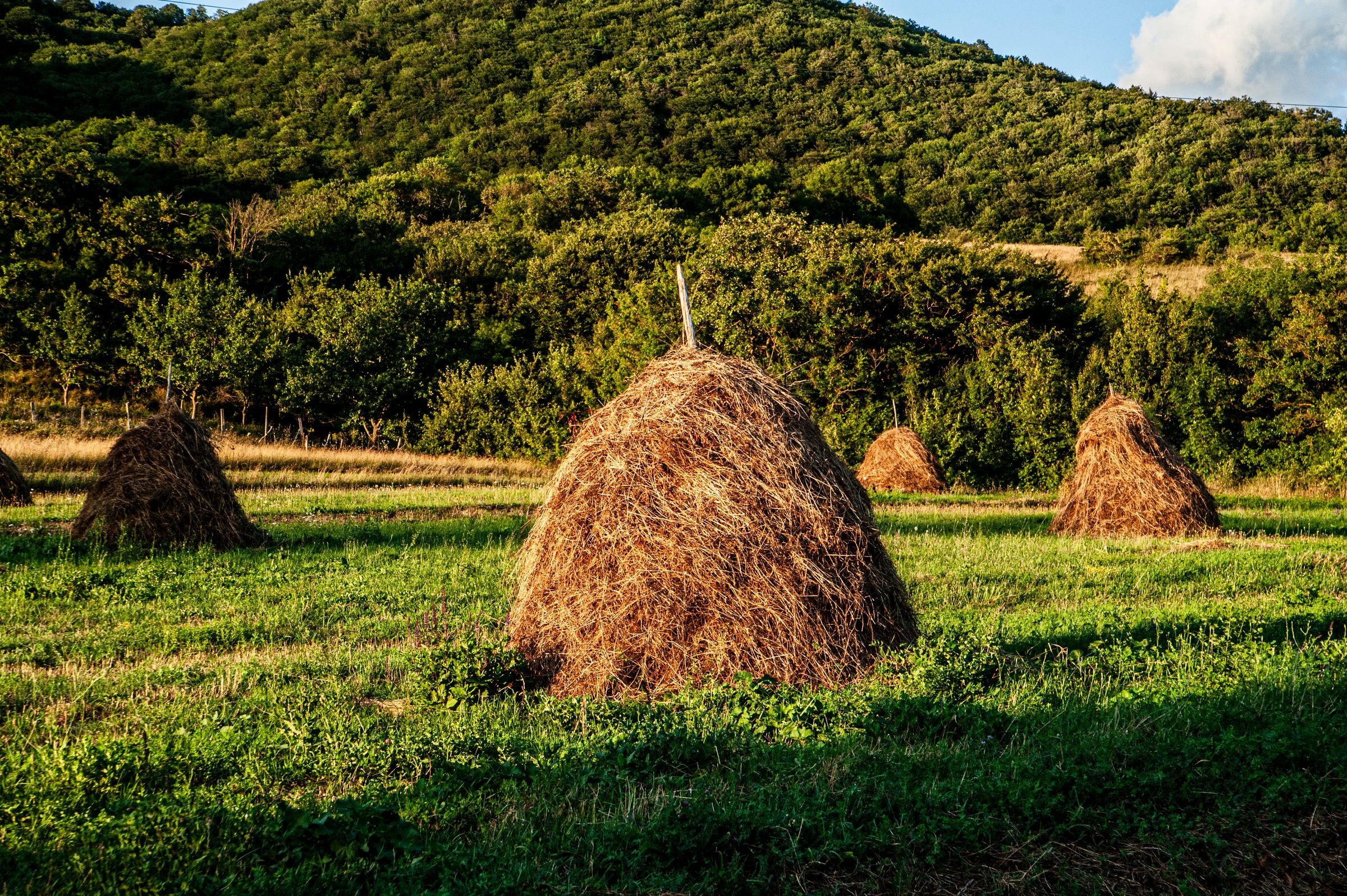
Haystacks in a field, the way it was done before machines
Close

Before mechanisation

Perennials, ancient grains and water plants, grown and chosen the way people ate before mechanisation. For thousands of years, food was grown with one purpose: to nourish.

Before mechanisation

Machines changed what was grown. Crops were chosen for yield, machine harvesting and shelf life, and many older foods that had fed families for generations fell out of use. Ancient grains gave way to high yield varieties, perennial vegetables to mass produced annuals, and stone milling and slow fermentation to steel rollers and fast yeast.

Before mechanisation

We bring those older foods back to the table: perennials from our cottage garden, ancient grains like einkorn and emmer, and water plants such as watercress.

Before mechanisation

See the plants, grains and water plants we grow and cook with.

Before mechanisation

How people ate before machines changed farming.

A multi grafted fruit tree in blossom
Close

The Tree of Plenty

At the centre of it all, we’d love to grow a single heritage tree that bears many fruits: an almost lost craft in which different varieties are grafted onto one trunk to give a succession of harvests through the season from a single rooted plant. Old knowledge, many foods, one tree: the whole idea of the garden in one living centrepiece.

The Tree of Plenty

There is an old craft, almost lost, of growing many fruits on a single tree. By grafting different varieties, and even different but related fruits, onto one trunk, a grower could coax a single tree into bearing crop after crop in succession, stretching the harvest across much of the growing season from one small footprint. It was knowledge passed down by hand and written in notebooks rather than textbooks, and as orchards were grubbed up and old varieties forgotten, much of it very nearly disappeared. We’d love a tree like this at the very heart of our extended cottage garden: a living centrepiece that tells the whole Hooper’s story in one plant: old knowledge saved, many foods from one rooted, perennial source, grown the way it used to be. A tree guests can stand beneath, watch change through the seasons, and taste from.

Why it fits Hooper’s

Nearly lost heritage knowledge: the core of the How We Used to Eat philosophy. Perennial and low footprint: many crops from one long lived, rooted tree. A succession of harvests across the growing season from a single plant. A living story and centrepiece: a genuine reason to visit the garden, and to photograph and share it. A forty fruit showpiece is a decade’s work, but a family tree of four to six varieties is well within reach. Grafting old Welsh heritage varieties onto one tree would make it a small living archive of regional fruit that might otherwise be forgotten.

How grafting works

Grafting joins a shoot or bud (the scion) of one variety onto the trunk or branch of another plant (the rootstock), so the two grow as one. Multi grafting simply repeats this with several varieties on the same tree. A “family tree” carries several varieties of the same fruit, say a handful of different apples, ripening at different times. Reliable and well proven. A multi species stone fruit tree carries related fruits together: peach, plum, apricot, nectarine, cherry (all of the Prunus family, so graft compatible) for a longer, more varied succession. This is the showpiece version, of the kind made famous by the “Tree of 40 Fruit”.

The one hard rule

You can almost only graft within a species or close family: apple with apple, pear with pear, or stone fruits (peach, plum, apricot, nectarine, cherry) with one another. You cannot graft an apple onto a pear, or a stone fruit onto an apple. Even within a family there are exceptions: some pear varieties take on quince rootstock and others fail outright, so the variety mix is a real horticultural decision, best planned with a specialist grafter.

Three traditional methods

Whip and tongue (bench) grafting joins two pieces of roughly pencil thick wood; the spring method for adding varieties near the branch ends of an existing apple or pear. Cleft grafting unites a small scion with a larger trunk or limb; used to “top work” an older, established tree over to new varieties. Chip or bud grafting inserts a single bud under the bark; the patient, bud by bud method behind the big many variety trees.

The Tree of 40 Fruit

The best known example comes from the artist Sam Van Aken. When an experimental orchard of heirloom stone fruit in Geneva, New York lost its funding, he took it on to save the old varieties. Grafting a few at a time, he builds trees that flower pink, red and white in spring and carry up to 40 kinds of stone fruit. Each one takes around nine years.
The Tree of Plenty

An almost lost craft: the heritage grafted tree, with many varieties grafted onto a single trunk.

A potager garden with vegetables, herbs and flowers growing together
Close

A grandmother’s garden for everyone

What if everyone in Wales had a grandmother’s garden? Whether in your own garden or in a community garden, a small potager, the old kitchen garden that is as beautiful as it is useful, with a Tree of Plenty at its heart and perennial greens, herbs and flowers planted around it, coming back year after year, for decades. This is a vision, not yet a plan.

A grandmother’s garden for everyone

A garden of your own, that you plant, tend and pick from, brings that connection home. The grandmother’s garden fed families for generations with very little work, and built from old Welsh varieties, each one would become a small living archive of food that might otherwise be lost.

A grandmother’s garden for everyone

It starts with our own. We are planting a large grandmother’s garden on the land behind Hooper’s to feed our guests, with seasonal dishes from it. It is our living example of what every garden could be: fruit that ripens at different times through the season, and greens such as Good King Henry that return every spring.

A grandmother’s garden for everyone

The skilled work, grafting the trees and raising the plants, would be done centrally, and each garden would then be planted where people live. We would start with those who need it most: pensioners, as a free service, and community gardens for people without a garden of their own. Each year more people would be added. Anyone who can afford to pay for their garden would also be helping to pay for someone who can’t.

A grandmother’s garden for everyone

A grandmother’s garden follows an idea that is centuries old. Medieval monks laid out walled gardens of herbs, vegetables and fruit in neat, formal beds, and in Renaissance France these became the potager, named after potage, the soup made from what it grew. The famous gardens at Villandry in the Loire are still laid out in that style today, and the cottage garden was its everyday British cousin. Ours follows the same pattern: the Tree of Plenty in a central bed, small beds around it that you can reach into from the path, so there is no digging, low edges of thyme, hyssop and lavender, perennial greens such as Good King Henry, lovage, rhubarb and sea kale, and simple flowers for the bees. Fruit trained flat along the boundary and raised beds keep everything within easy reach for older gardeners.

Grandmother’s garden

A grandmother’s garden for everyone in Wales

A Tree of Plenty and the garden around it, for life.

Come and find us

Hooper’s, 296–298 Oystermouth Road, Swansea, SA1 3UJ. Right across from the beach.

Questions? We’ve got answers

Who runs Hooper’s?

We’re a family run business on Swansea Beach.

Where are you?

Hooper’s, 296–298 Oystermouth Road, Swansea, SA1 3UJ.

How do I get in touch?

Call us on 07855 941717.

Where does your food come from?

We grow perennial vegetables and water plants in our own cottage garden, and bake with ancient grains like einkorn.

Let’s connect by the coast

Call us on 07855 941717  We’re always happy to help!